Mortgage Blog
Get the mortgage you deserve
Oil, Inflation and Your Mortgage: What’s Coming Next?
March 12, 2026 | Posted by: Sean Malachi
- Oil, Inflation and Interest Rates: What I’m Watching For
- The last couple of weeks have been a reminder that global events can hit our wallets very quickly, even from thousands of kilometers away. Rising and volatile oil prices, shifting bond markets and changing expectations for interest rates are all happening at once, and they matter directly for Canadian borrowers and investors.
- 1. Oil prices and why they matter so much
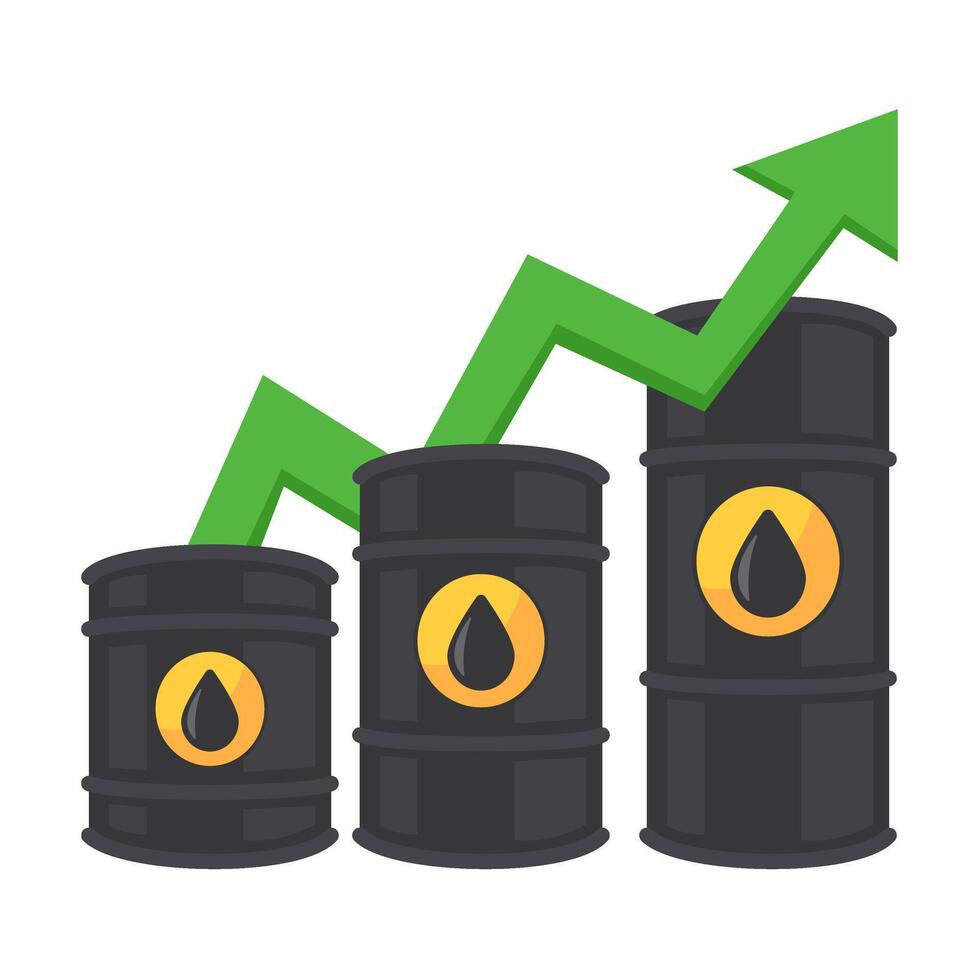
- Oil has been on a rollercoaster. In just days, crude has swung from well over 100 dollars a barrel to sharp double digit daily drops, and back again toward triple digits. These moves are being driven primarily by the escalating war involving Iran and the Middle East, a region that ships roughly a fifth of the world’s oil through the Strait of Hormuz.
- Analysts estimate that a sustained disruption there could push oil toward the mid 100s or even higher if exports are choked off. That would feed directly into higher gasoline, transport and production costs globally, including here in Canada.
- In other words: if this conflict drags on or worsens, we are likely to see a new wave of cost push inflation coming from the energy sector.
- 2. From oil shock to inflation pressure
- We’re already seeing signs that higher energy costs are starting to bleed into broader prices. In Australia, for example, consumer inflation expectations have climbed to their highest level since 2023, partly because of fuel price spikes linked to the Iran war. Trucking associations there are warning about higher grocery and freight costs, and airlines are raising fares to cover more expensive fuel.
- The same exist here in Canada:
- • Higher fuel costs for trucking and rail show up in food and goods prices at the store.
- • Higher jet fuel costs push up air travel.
- • Businesses facing rising input costs tend to pass some of that on to consumers.
3. How central banks are reacting
Central banks do not set interest rates based on oil alone, but they cannot ignore a persistent oil shock either. Australia is currently the clearest example of how policy makers may respond.
After cutting rates briefly last year, the Reserve Bank of Australia has already started hiking again and is now expected by major banks to raise at least twice more, potentially fully reversing that easing cycle. Market pricing even allows for a third hike, which would take Australian rates to their highest level since 2011.
The logic is straightforward:
• Oil driven inflation is pushing up headline and expected inflation.
• The economy is still running above capacity.
• To prevent inflation from becoming entrenched, the central bank tightens policy.
That same playbook is on the table for other central banks if energy inflation proves persistent.
4. What this means for bond markets and fixed mortgage rates
Bond markets are already feeling the strain. There has been considerable selling of leveraged U.S. Treasury positions as yields have spiked, and major banks are watching the situation carefully. In Canada, funding costs tied to government and mortgage bonds have been grinding higher:
• The Canadian 5 year government bond yield has recently moved up.
• Five and ten year Canada Mortgage Bond (CMB) yields have also risen.
• The 4 year swap rate, a key benchmark for fixed rate mortgage pricing, is higher as well.
At the same time, the 3 month Canadian Treasury bill yield, which reflects short term policy expectations, is at a multi month high. That tells us markets are not pricing in imminent rate cuts from the Bank of Canada unless we see a major shock that actually drags inflation lower, not higher.
For homeowners and buyers, the takeaway is simple: if this environment continues, it puts upward pressure on fixed mortgage rates and makes it harder for lenders to justify aggressive discounting on longer terms.
5. Variable rates: why the math is getting tougher
Recent mortgage commentary has highlighted that variable rate borrowers are in a more uncomfortable position today. With markets assigning a very high probability that both the Bank of Canada and the U.S. Federal Reserve will keep rates on hold at their upcoming meetings (and only a small chance of cuts), relief for variable rate borrowers is unlikely in the very near term.
At the same time:
• Rising bond yields are narrowing the gap between today’s fixed and variable options.
• Lenders’ funding spreads are under pressure, reducing their appetite to underprice risk.
A recent analysis showed that, on paper, a 5 year fixed has been outperforming variable by a meaningful margin in the current rate environment. That does not mean everyone should lock in blindly, but it does mean the traditional “variable always wins over five years” narrative no longer holds automatically.
My view on what’s ahead if this continues
Looking across all the data, here is how I see things evolving if the current trends persist:
• Oil remains volatile
As long as the Middle East war and risk around the Strait of Hormuz continue, energy markets will likely trade with a “risk premium” built in.
• Inflation progress becomes bumpier
Central banks were hoping for a smooth glide path back to 2 per cent inflation. An oil shock complicates that, especially if it lifts both headline inflation and consumer expectations. That makes them more cautious about cutting too early.
• Policy rates stay higher for longer
Rather than rapid rate cuts, we are more likely to see a “wait and see” stance: rates held at current levels, with central banks prepared to hike again if inflation re accelerates.
• Bond yields and fixed mortgage rates remain under upward pressure
Higher and stickier inflation expectations, plus increased government borrowing needs and unwinding of leveraged bond trades, all argue for a higher for longer profile in yields. This filters into higher or at least less declining fixed mortgage rates.
• Variable rate relief is delayed
With markets pricing in minimal odds of near term cuts by the Bank of Canada and the Federal Reserve, variable rate borrowers may have to live with current payment levels longer than they anticipated. If inflation forces a renewed tightening cycle anywhere, that risk tilts to the upside.
How I suggest you position yourself
Here is how I’m thinking about practical steps in this environment:
• If you have a renewal in the next 12–18 months:
Consider starting the conversation early. A rate hold on a suitable fixed term can give you some protection if bond yields and mortgage rates continue to drift higher.
• If you are currently in a variable rate:
Review your numbers. For some, converting part or all of the mortgage to a shorter term fixed can balance flexibility with payment certainty, especially if higher for longer rates would strain cash flow.
• If you are planning a new purchase:
Budget using conservative rate assumptions rather than the most optimistic ones. That way, if the oil inflation rates chain reaction continues, you are not caught off guard.
• If you are an investor:
Expect more volatility. Bond prices may remain choppy, and real estate segments that are more rate sensitive could see pressure. Focus on quality, cash flow resilience and time horizon.
Trust the Team Contributing in Canada’s Most Credible Media Sources